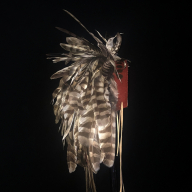

With the adoption of the horse across the North American Plains during the 18th century, equestrian mobility transformed tribal warfare, communal buffalo hunting, and social prestige. Among 19th-century Plains nations, horsegear combined functional durability on the trail with elaborate ceremonial display, reflecting both the rider's martial status and the spiritual bond between warrior and mount.
Traditional Plains equestrian tack encompassed a range of specialized items crafted from rawhide, brain-tanned hide, elk antler, hardwood, and frontier trade materials:
- Riding quirts: Short, two-lash riding whips with elk-antler or carved hardwood handles and wide beaded or quilled wrist straps, used both for guiding a mount in combat and as recognized insignia of warrior society officers;
- Saddles, stirrups & cinches: Wood-and-rawhide frame saddles (including high-pommel pad saddles and horn-bow pack saddles), rawhide-bound wooden stirrups, and braided buffalo-hair or horsehair girths;
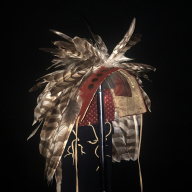
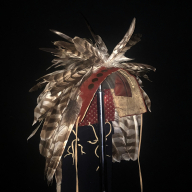
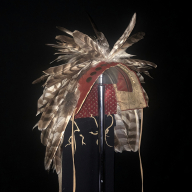
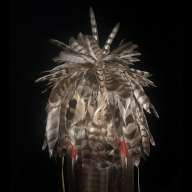
- Ceremonial trappings: Beaded or quilled wool trade-cloth cruppers, martingale breast straps, rawhide horse masks, bridle headstalls adorned with German silver conchos, and painted medicine motifs applied directly to the war horse.
The pieces cataloged in this section of the «4 Colors» Gallery replicate documented 19th-century museum specimens in material, construction, and surface patination.